How to Prevent Rust on Your Garden Electric Tools?

Time:2026-08-29 Author:Henry
0%

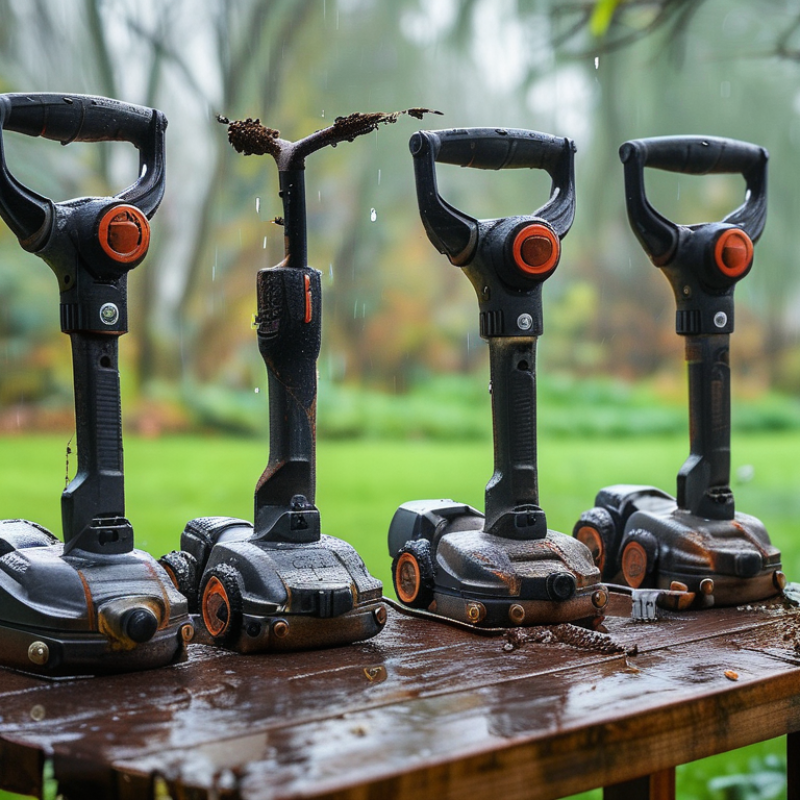
Garden electric tools are essential for efficient landscaping. However, one major issue is their susceptibility to rust. Why garden electric tools are easy to get rusty is linked to several factors. Many tools are made with metals that corrode when exposed to moisture and air. A study by the American Society of Agricultural and Biological Engineers indicates that tools left outdoors or damp can deteriorate quickly.

The frequency of rust formation depends on usage and maintenance practices. Tools used in wet conditions, or those stored improperly, are particularly at risk. Nearly 30% of tool owners report rust as a common problem, highlighting the need for preventive measures. Inadequate drying or cleaning after use can exacerbate this issue.

Moreover, many users underestimate the importance of proper storage. A lack of knowledge regarding protective coatings and storage environments can lead to increased rust. These are areas where improvement is crucial. Understanding these vulnerabilities is vital for tool longevity and performance. Protecting your investment means being proactive about rust prevention strategies.
How to Prevent Rust on Your Garden Electric Tools?

Choosing the Right Tools to Minimize Rust Risk

Choosing the right garden electric tools is crucial to minimize rust risks. Tools made from stainless steel or aluminum have better resistance against rust. These materials hold up in various weather conditions. Wooden handles are preferred when considering user comfort and durability. However, they require more care to stay in good condition.

When selecting tools, consider their design. Tools with sealed components prevent moisture intrusion. Avoid tools with intricate parts, as they may trap water. Simple designs are easier to clean and maintain. Pay attention to the finishing on your tools. A protective coating can make a difference, keeping moisture at bay.

Regular maintenance is essential. Rinse your tools after use, especially if they come into contact with soil or moisture. Store them in a dry area to prevent rust formation. Cleaning your tools may seem tedious, but it’s vital for longevity. Reflect on your current routine and see if improvements are needed. Investing time now saves you money later.

Understanding the Causes of Rust on Electric Garden Tools

Rust is a common problem for electric garden tools. Understanding its causes can help you take preventive measures. Moisture is the primary factor. When tools are exposed to rain or high humidity, corrosion occurs. Even the smallest droplets can damage metal parts over time. Regularly wiping your tools after use can significantly reduce moisture buildup.

Another cause of rust is improper storage. Leaving tools in damp sheds or garages allows rust to set in. It's essential to store them in a dry, well-ventilated area. You might think that just hanging tools is enough protection, but that isn't always the case. Even a slight amount of moisture in the air can lead to rust formation. Consider using silica gel packs to absorb excess moisture in storage areas.

Lastly, neglecting maintenance can contribute to rust. Make it a habit to inspect tools regularly. Look for any signs of wear and tear or existing rust spots. Address these issues promptly, as they can worsen if ignored. Even a small amount of rust can spread quickly. Remember, preventing rust takes diligence and attention to detail. Your electric garden tools can last longer with consistent care.

Preventative Maintenance Practices for Rust Prevention

Maintaining your garden electric tools is essential to prevent rust. Rust can damage tools quickly. Here are some effective preventative maintenance practices you can integrate into your routine.

Regularly clean your tools after each use. Dirt and moisture contribute to rust formation. Wipe your tools with a dry cloth. For stubborn dirt, use a brush with stiff bristles. Make sure to dry any areas that might retain moisture.

Another important step is to apply a protective coating. Use a thin layer of oil on metal parts. This minimizes exposure to air and moisture. Check your tools for scratches or dents; these areas may need extra attention. Addressing minor damages promptly can prevent larger problems later.

Store your electric tools properly to limit rust damage. A dry, cool, and well-ventilated area is ideal. If storing for long periods, consider using silica gel packets to absorb moisture. Take time to inspect your tools regularly for signs of rust and address any issues immediately. Reflect on your storage practices. Simple changes can have big impacts on tool longevity.

Storing Electric Tools Properly to Avoid Moisture Exposure

Proper storage is crucial for preventing rust on your garden electric tools. Moisture is the enemy, and keeping tools dry can make a significant difference. Always clean your tools after use, removing dirt and debris. Even mild moisture can cause rust if left unattended. Ensure that your tools are completely dry before storing them.

When storing electric tools, choose a location that is cool and dry. Avoid damp garages or basements. If possible, use a dehumidifier in these areas. Consider using a protective case or cover to shield your tools from moisture in the air. Hanging tools off the ground can also prevent contact with damp surfaces.

Regular checks on your tools are essential. Look for any signs of rust or wear. Address those issues promptly. Improving your storage habits can prolong the life of your tools. It’s important to stay vigilant. A small oversight can lead to larger problems later on. Rust can sneak up on you and ruin expensive equipment.

Using Protective Coatings to Enhance Tool Longevity

To enhance the longevity of garden electric tools, applying protective coatings is vital. Various studies indicate that metal components are susceptible to rust, especially in humid environments. In fact, around 80% of rust damage can be attributed to moisture exposure. Protective coatings serve as a barrier, reducing the likelihood of oxidation on tool surfaces.

Using coatings like oil-based varnishes or rust-proof sprays can offer substantial protection. A report by the American Society of Agricultural and Biological Engineers highlighted that tools treated with these coatings can last up to 50% longer than untreated tools. These coatings create a hydrophobic layer that repels water, allowing your tools to withstand tough weather conditions. Despite this, it's essential to regularly inspect the coated surfaces for wear and reapply the protective layer as needed.

However, not all coatings are foolproof. Some may peel or wear off over time, exposing tools to potential rusting. It's crucial to understand that maintenance is an ongoing process. While protective coatings significantly help, they are not a complete solution. Consistent cleaning after each use, combined with proper storage, greatly improves the effectiveness of these coatings.

How to Prevent Rust on Your Garden Electric Tools? - Using Protective Coatings to Enhance Tool Longevity

Tool Type Common Protective Coating Effective Durability (Years) Application Frequency (Months)
Electric Shears Rust-Resistant Spray 3-5 6
Electric Lawn Mower Oil-Based Coating 5-7 12
Electric Hedge Trimmer Synthetic Wax Coating 2-4 4
Electric Leaf Blower Protective Enamel 4-6 6
Electric Chainsaw Corrosion Inhibitor 3-5 6

FAQS

: What materials are best for minimizing rust in garden tools?

: Stainless steel and aluminum are preferred. They resist rust better than other materials.

Why is regular maintenance important for garden tools?

Regular maintenance helps prevent rust, which can quickly damage tools. It ensures their longevity.

How should I clean my garden tools after use?

Rinse off dirt and moisture. Wipe tools with a dry cloth or use a stiff brush for stubborn dirt.

What kind of protective coatings can I use?

Oil-based varnishes and rust-proof sprays work well. They create a barrier against moisture.

Where is the best place to store electric tools?

Store tools in a dry, cool area with good ventilation. This limits rust damage significantly.

How often should I inspect my tools for rust?

Regular inspections are necessary, especially after storage. Address any signs of rust immediately.

What additional steps can prevent rust damage?

Using silica gel packets helps absorb moisture in storage. Regular cleaning and maintenance are also essential.

Can coatings peel off over time?

Yes, some coatings may wear off. Regular inspections ensure protection remains effective.

Are all protective coatings equally effective?

No, some may not offer full protection. Maintenance is still necessary for long-lasting results.

Is investing time in tool care worth it?

Yes, time spent on maintenance today can save money on repairs or replacements later.

Conclusion

Garden electric tools are particularly susceptible to rust due to their exposure to moisture and changing weather conditions. Understanding the causes of rust is essential for maintaining these tools. Key factors include prolonged exposure to water, humidity, and inadequate maintenance practices. To minimize the risk of rust, it is crucial to choose tools made from corrosion-resistant materials and to implement preventative maintenance practices, such as regular cleaning and lubrication.

Storing electric tools properly is also vital; keeping them in a dry and well-ventilated area can significantly reduce moisture exposure. Additionally, applying protective coatings can enhance the longevity of the tools, creating an extra barrier against rust. By following these guidelines, gardeners can prolong the life of their electric tools and ensure they remain in optimal working condition.

Henry

Henry

Henry is a dedicated marketing professional with a profound expertise in the company's offerings. With years of experience in the industry, he possesses an impressive understanding of the market dynamics and consumer behaviors that drive success. Henry is committed to sharing his insights through......