Engineered for high performance, continuous runtime, and absolute reliability under demanding industrial operations.
The global industrial lighting sector is undergoing a massive shift from traditional corded halogen and metal halide light sources toward high-efficacy, lithium-ion battery-powered LED systems. In hazardous and remote jobsites, reliability is not just a convenience—it is a critical safety parameter. As modern worksites demand greater mobility, low thermal emissions, and carbon-neutral operations, Lithium-ion LED Work Lights have emerged as the definitive standard.
By integrating highly efficient LED chips with robust Lithium-ion chemistries (such as LiFePO4 and NMC), manufacturers can deliver light outputs exceeding 10,000 lumens while retaining compact, drop-resistant profiles. This convergence of electronics and battery design allows commercial fleets, infrastructure contractors, and emergency units to operate autonomously without the noise, hazard, and emissions of diesel generators.
How technical advancements in battery systems, optics, and ruggedized casings are transforming worksite illumination.
Next-generation industrial lights are no longer simple analog devices. Integration of smart microprocessors allows monitoring of battery health, real-time thermal management, and auto-dimming features that extend runtimes when power runs critical.
Chip-on-Board (COB) technology provides a uniform, glare-reducing light pattern essential for close-up inspection and precision tooling. SMD arrays offer targeted long-throw beams for structural site safety.
B2B procurement programs favor dual-power solutions. Heavy-duty platforms allow users to run lights continuously via mains AC power while simultaneously charging the internal lithium-ion cells for seamless cordless deployment.
Founded in 2013, Zhejiang Maks Tool Manufacturing Co., Ltd. is a high-tech enterprise specializing in the R&D and production of lithium electric tools. The company focuses on developing and producing high-performance lithium cordless tools: cordless drills, cordless screwdrivers, brushless wrenches, brushless hammers, and cordless gardening tools.
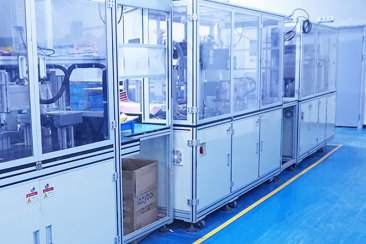
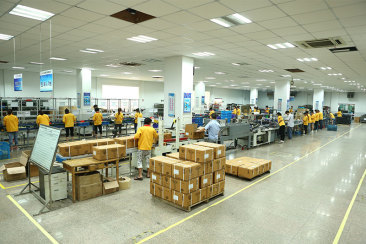
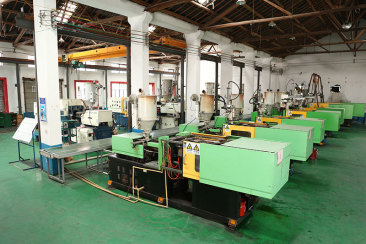
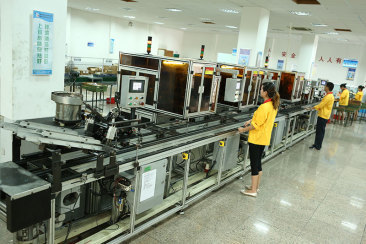
Operating under the rigorous ISO9000 quality control system, Maks Tools has secured global certifications including CE and GS. The facility has modern, fully automated motor production lines, and comprehensive manufacturing and testing instruments, which constitute the company's core resource.
"We make continuous efforts to provide perfect products to customers based on comprehensive service, prioritizing the shared growth of the company and staff, as well as contribution and responsibility to society. We expect to establish a broader, deeper, and friendlier cooperation with new and regular customers."
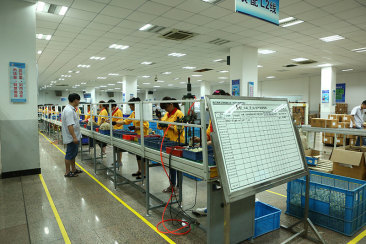
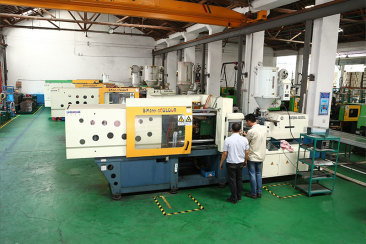
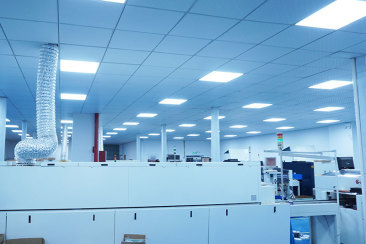
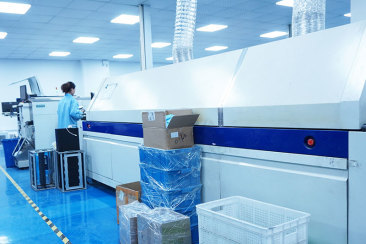
Our heavy manufacturing facilities utilize automated robotics and diagnostic equipment to ensure consistent calibration and product quality for global OEM/ODM orders.
Critical benchmarks international supply chain directors analyze when qualifying commercial lithium work light manufacturers.
UN38.3, MSDS, and IEC 62133 compliance are non-negotiable for maritime and air logistics. Sourcing teams prioritize factories with certified battery pack assembly lines to prevent safety hazards during transport and operation.
Worksite tools must withstand dust, heavy downpours, and physical impacts. Procurement specifications mandate standard mechanical drop tests (IK07 to IK10 ratings) and ingress protection ratings of IP65 minimum.
To optimize tool fleet inventory, buyers select work lights that interface with major 18V/21V lithium battery formats. Multi-brand cross-compatibility reduces overall capital expenditure on batteries and chargers.
Deploying specialized lithium lighting architectures to meet extreme industrial requirements.
Large civil worksites, bridge maintenance, and nighttime asphalt paving require wide-area portable floodlighting. Without the accessibility of power grids, crews depend on heavy-duty lithium tripod towers. These models feature ruggedized polycarbonate lenses that resist cement splatter and chemical solvents, providing shadow-free illumination for shifts exceeding 10 hours on a single charge.
For maintenance workshops and precision detailing under vehicle chassis, lighting systems must remain cool to the touch and fit into confined spaces. Magnetic-mount underhood lights and handheld work lights allow mechanics to position hands-free illumination precisely, with high Color Rendering Index (CRI >90) LED arrays ensuring accurate wire color identification.
When power grids fail due to natural disasters, deployment speed is crucial. Search and rescue personnel require lightweight, waterproof spotlight units. Modern systems utilize high-capacity NMC cells to offer quick-charge capabilities, USB powerbank outputs to charge communication devices, and high-visibility flashing beacons for rescue signaling.
Working in subterranean projects demands lighting systems with explosion-proof ratings (ATEX/IECEx certification). These specialized lithium work lights feature sealed internal compartments, thermal throttling, and antistatic materials to ensure safe operation in gaseous or coal-dust filled environments.
The progression of design engineering in portable industrial illumination over the next five years.
Implementation of advanced vapor chamber cooling designs in handheld lamps allows high-lumen outputs without body temperature scaling. Transition from standard SMD to integrated COB chips reduces glare and worker eye strain.
Standardization of high-wattage USB Type-C Power Delivery allows charging of 21V batteries directly from standard powerbanks. Bluetooth-based mesh controls enable site supervisors to control entire lighting groups through specialized mobile applications.
Replacing current liquid electrolyte NMC batteries with solid-state cells removes the risk of thermal runaway, making lithium work lights safer for volatile chemical processing facilities and heavy aerospace environments.
A major challenge for global supply chain managers is navigating local safety standards and regulatory compliance across different trade zones. A qualified manufacturer must supply product documentation adapted to localized requirements.
For the European market, this means strict adherence to the CE directive, RoHS restriction of hazardous substances, and GS safety marks. For North America, obtaining UL (Underwriters Laboratories) or CSA listings ensures seamless compliance for distribution partners.
Beyond certifications, modern procurement requires supply chain transparency. Leading manufacturers utilize integrated manufacturing execution systems (MES) to trace every batch of cell materials back to its source, providing comprehensive assurance of quality and corporate responsibility.
By working directly with certified manufacturers like Maks Tools, buyers receive comprehensive factory audit access, raw materials testing documentation, and dedicated engineering support to customize solutions to local markets.
Get technical answers about industrial battery platforms, heat dissipation, and custom OEM capabilities.
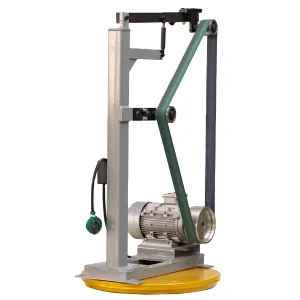
Complete your fleet with our high-tech, precision-engineered metal and woodworking production tools.